The Analog Heart in a Digital World : Reclaiming Depth, Intelligence and Soul
Join Us Find Us Recent headlines suggesting a decline in Generation Z’s intelligence point to a significant historical shift: for
The World Health Organization (WHO) remains one of the most influential global health agencies, setting international standards, issuing guidelines, and helping countries improve care for their citizens. As health challenges evolve — from obesity and chronic disease to health system funding gaps — WHO prioritizes evidence-based action to protect health worldwide.
Here’s a summary of the latest major WHO updates, what they mean for global health, and why they’re relevant to us in India and beyond.
1.WHO Releases First Global Guideline on Obesity Treatment
In December 2025, WHO issued its first global guideline on the use of GLP-1 medicines to treat obesity — recognizing obesity as a chronic and relapsing disease. These guidelines support safe and effective use of newer medicines to help people manage weight and related health risks, including diabetes and cardiovascular disease.
Obesity affects more than 1 billion people worldwide and is one of the leading risk factors for non-communicable diseases like heart disease, diabetes, and stroke. This new guidance encourages countries to improve access to treatment and support comprehensive obesity care.
On January 28, 2026, WHO released a new global guideline on healthy school food environments to address malnutrition and rising rates of childhood obesity.
This guideline recommends:
With childhood obesity rising globally — including in India — healthy food environments can significantly influence lifelong eating habits and reduce risk of chronic diseases.
WHO has also issued new guidance to help countries respond to drastic cuts in external health funding, which have threatened essential health services in many nations.
This strategic guidance encourages countries to:
This framework empowers countries to build more resilient health systems even in times of financial uncertainty — something especially relevant for low- and middle-income countries.
Significant updates include WHO’s revision of global health emergencies — for example, the official end to the global mpox emergency, recognizing progress while maintaining surveillance and response efforts.
Beyond outbreaks, WHO continues to emphasize strengthening emergency preparedness and response systems, ensuring that countries can identify and contain new health threats swiftly and equitably.
The WHO’s role extends beyond recommendations — it shapes policies that affect billions of people worldwide, and several of these updates are deeply relevant to India:
WHO continues to advocate for strong primary health systems that reach every person and protect them from health emergencies and chronic disease.
Guidelines on obesity and healthy food are crucial as India faces a growing burden of lifestyle-related illnesses.
With potential drops in external funding, WHO’s financing guidance can help India and similar countries strengthen health services with domestic resources and strategic planning.
From school nutrition to disease preparedness, tackling health issues across all ages improves well-being and economic productivity.
NGOs play a unique and critical role in translating global health goals into community impact. Here’s how:
✅ Raising Awareness
We educate families, schools, and communities about healthy lifestyles, nutrition, and disease prevention.
✅ Community Outreach
We partner with local communities to spread vital health information and support services, especially where access to formal care is limited.
✅ Mental Health Promotion
Mental well-being is an essential part of overall health — and we organize programs to reduce stigma, promote emotional resilience, and enable access to care.
✅ Collaborations and Advocacy
NGOs bridge the gap between global strategies and local implementation — advocating for policies that support holistic health.
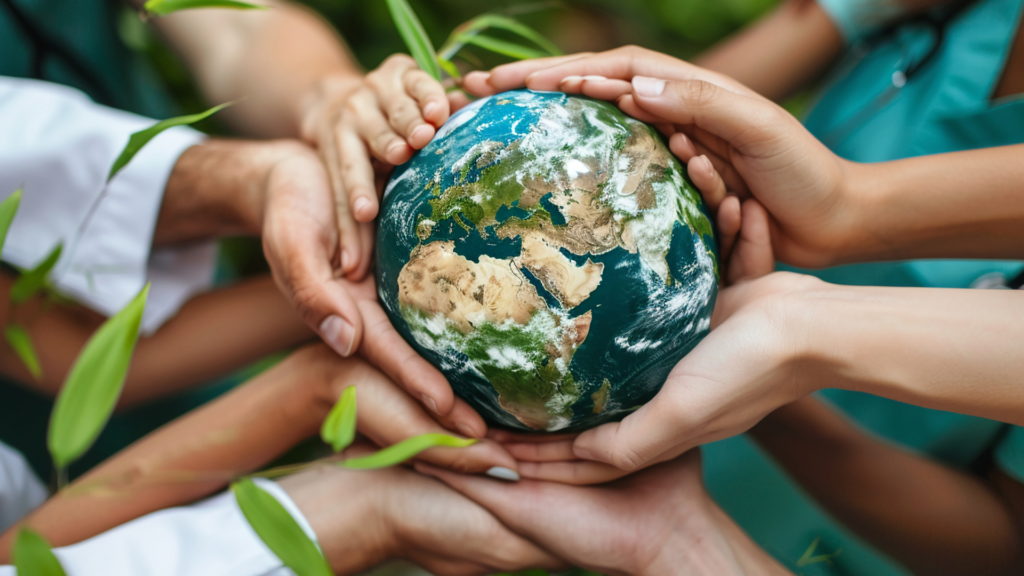
In a world where health systems face diverse challenges — from obesity to funding crises — WHO’s latest updates are a roadmap for safer, healthier futures. But these strategies only succeed when governments, communities, civil society, and individuals work together.
At Srijan Foundation Trust, we stand committed to supporting this shared mission — helping people stay informed, encouraged, and empowered to take charge of their health.
Together, we can build healthier lives — one person, one family, and one community at a time.
Join Us Find Us Recent headlines suggesting a decline in Generation Z’s intelligence point to a significant historical shift: for
Join Us Find Us Recent Incidents That Shocked the Nation India has witnessed several distressing cases involving sexual violence against